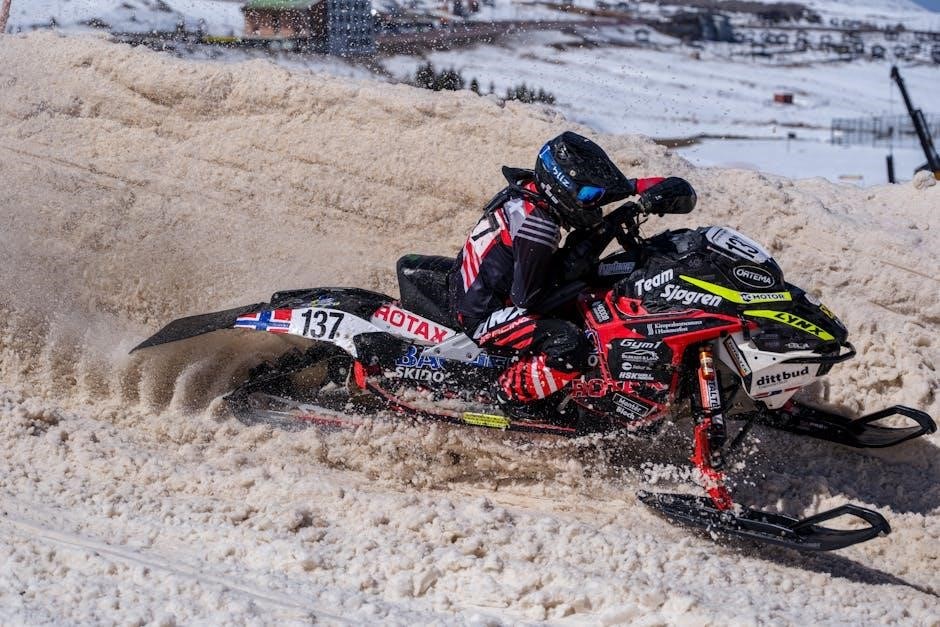
Snowmobile Buying Guide: A Comprehensive Overview (Updated 02/02/2026)
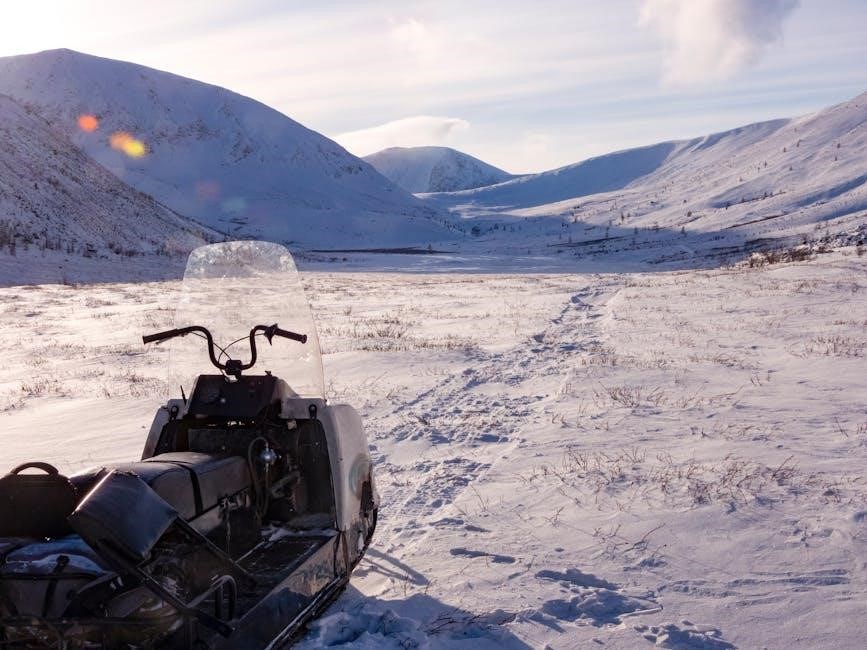
Navigating the snowmobile market requires careful consideration, especially with fluctuating service access and storage limitations impacting cloud-based solutions.
Choosing the right model depends on individual needs and preferences, mirroring the complexities of digital storage options available today.
I. Understanding Your Snowmobiling Needs
Before diving into the world of snowmobiles, a thorough self-assessment is crucial. Consider your intended riding style – are you envisioning peaceful, long-distance touring, or adrenaline-fueled freestyle maneuvers? This initial step dictates the type of snowmobile best suited for you. Equally important is evaluating the terrain you’ll primarily encounter. Groomed trails demand different machines than deep powder or rugged backcountry areas.
Your experience level also plays a significant role. Beginners should prioritize stability and ease of handling, while experienced riders might seek more powerful and responsive models. Reflect on whether you need a machine for solo adventures or group rides, and if carrying passengers is a requirement. Just as choosing a reliable cloud storage solution (like OneDrive, despite potential access issues) requires understanding your data needs, selecting a snowmobile demands understanding your riding needs. Don’t underestimate the importance of aligning your machine with your skill and intended use.

A. Defining Your Riding Style
Pinpointing your riding style is paramount when selecting a snowmobile. Are you a contemplative explorer, preferring leisurely tours across frozen landscapes? Or do you crave the thrill of high-speed trail riding, navigating winding paths with precision? Perhaps you’re drawn to the challenge of deep powder, seeking untouched slopes for exhilarating climbs and descents. Alternatively, a freestyle enthusiast might prioritize maneuverability for jumps and tricks.
Consider how often you’ll ride and the typical duration of your excursions. Long-distance touring demands comfort and fuel efficiency, while shorter, more aggressive rides prioritize power and responsiveness. Much like choosing between a robust NAS solution for private cloud storage versus a potentially unreliable service like OneDrive, your riding style dictates the necessary features. Be honest about your preferences; a mismatch between machine and rider diminishes the overall experience. Defining this upfront streamlines the selection process considerably.
B. Terrain Considerations: Where Will You Ride?
The terrain dictates the ideal snowmobile type. Groomed trails demand versatility and predictable handling, making trail-specific models a strong choice. Conversely, venturing off-trail into deep powder necessitates a mountain snowmobile, equipped with a lightweight chassis and powerful engine for optimal floatation and climbing ability. Flat, open fields might suit a utility snowmobile, designed for work and practical tasks.
Consider elevation changes and snow conditions. Frequent steep inclines require substantial horsepower, while consistently deep snow demands a wider track. Just as assessing network stability is crucial before relying on cloud storage like OneDrive – which can suffer from speed issues – understanding the terrain is vital. A snowmobile ill-suited to the environment will lead to frustration and limited enjoyment. Evaluate accessibility and potential obstacles, ensuring your chosen machine can confidently handle the challenges ahead.
C. Rider Experience Level: Beginner, Intermediate, or Expert
Your skill level significantly impacts snowmobile selection. Beginners benefit from stable, forgiving machines – typically trail snowmobiles with moderate power and predictable handling. These models prioritize ease of use and build confidence. Intermediate riders can explore more powerful trail machines or even dabble in crossover models offering versatility for both groomed trails and light off-trail riding.

Experienced riders, comfortable with aggressive maneuvers and challenging terrain, will gravitate towards mountain or freestyle snowmobiles. These demand greater skill and physical exertion, delivering peak performance in demanding conditions. Much like troubleshooting OneDrive access issues requires technical expertise, selecting a snowmobile aligned with your abilities ensures a safe and enjoyable experience. Don’t overestimate your capabilities; starting with a manageable machine is always advisable, mirroring the cautious approach needed when navigating complex digital solutions.
II. Types of Snowmobiles
The snowmobile world offers diverse models tailored to specific riding styles. Touring snowmobiles prioritize comfort and long-distance travel, featuring larger seats, wind protection, and ample storage – ideal for extended adventures. Trail snowmobiles are versatile all-rounders, excelling on groomed trails with responsive handling and moderate power.
For deep powder enthusiasts, mountain snowmobiles boast lightweight designs, powerful engines, and wide tracks for superior flotation. Freestyle snowmobiles are built for tricks and aggressive riding, featuring robust suspensions and maneuverable frames. Finally, utility snowmobiles focus on practicality, offering towing capacity and cargo space for work-related tasks. Choosing the right type, much like selecting a reliable cloud storage solution, depends on your primary needs – mirroring the diverse options available, from OneDrive’s synchronization capabilities to NAS private cloud setups.
A. Touring Snowmobiles: Comfort and Distance
Touring snowmobiles are engineered for extended rides, prioritizing rider and passenger comfort. These machines typically feature larger, more comfortable seats, often with adjustable lumbar support, and substantial wind protection through high windshields and optional fairings. Ample storage capacity, including rear cargo boxes, is standard, allowing for packing essentials for multi-day trips.
Engine options generally lean towards powerful 4-stroke engines, delivering smooth, reliable power for long distances. Suspension systems are tuned for a plush ride, absorbing bumps and vibrations effectively. Similar to ensuring consistent access to your digital files – like addressing OneDrive access issues – touring snowmobiles emphasize a dependable and enjoyable experience. They represent a commitment to sustained performance, much like a robust private cloud NAS solution, offering reliability and space for your journey.

B. Trail Snowmobiles: Versatility for Groomed Trails
Trail snowmobiles represent the most popular category, designed for versatility on maintained, groomed trails. They strike a balance between performance, handling, and affordability, making them ideal for a wide range of riders. These machines typically feature a mid-sized engine, often available in both 2-stroke and 4-stroke configurations, providing responsive acceleration and adequate power for trail riding.
Suspension setups are tuned for predictable handling and bump absorption on packed snow, offering a comfortable yet controlled ride. Like ensuring consistent access to your digital files – addressing OneDrive login issues or space limitations – trail snowmobiles prioritize reliable performance. They are adaptable, much like choosing between cloud storage and a private NAS, offering a blend of features suitable for various conditions. Their design focuses on ease of use and enjoyment on well-maintained trails, providing a satisfying experience for both beginners and experienced riders.
C. Mountain Snowmobiles: Powder Performance
Mountain snowmobiles are engineered for deep powder conditions, prioritizing floatation and maneuverability in off-trail terrain. These machines boast powerful engines, typically exceeding 150 horsepower, coupled with lightweight chassis and long, wide tracks to prevent sinking in deep snow. Suspension travel is significantly increased compared to trail models, absorbing large bumps and providing a smoother ride across challenging landscapes.
Riders seeking the thrill of backcountry exploration demand the capabilities of a mountain snowmobile. Similar to resolving OneDrive access problems – requiring proxies or alternative solutions – navigating deep powder demands specialized equipment. They require a higher skill level to operate effectively, demanding precise control and understanding of snow conditions. The focus isn’t on speed, but on climbing steep slopes and navigating through trees. Like choosing a robust private cloud solution (NAS) over a potentially unreliable service, mountain snowmobiles prioritize capability and reliability in demanding environments.
D. Freestyle Snowmobiles: Tricks and Aggressive Riding
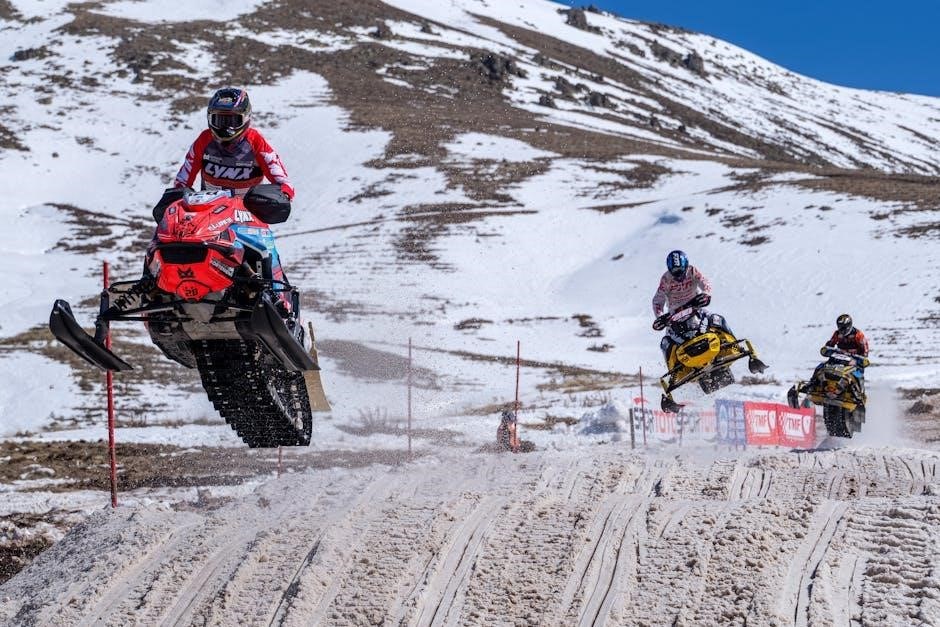
Freestyle snowmobiles are built for aerial maneuvers, jumps, and aggressive riding styles. These machines feature a shorter wheelbase for increased agility and responsiveness, allowing riders to easily initiate spins and tricks. Suspension systems are tuned for impact absorption, crucial for landing jumps and handling rough terrain. Engine power is important, but weight reduction and balance are paramount for successful freestyle riding.
Like troubleshooting OneDrive issues – needing resets or alternative accounts – freestyle riding demands constant adjustments and a willingness to adapt. Riders often modify these snowmobiles extensively, customizing components to suit their individual preferences and riding techniques. Durability is key, as freestyle snowmobiles endure significant stress. Similar to choosing a reliable NAS for data storage when cloud services falter, freestyle riders prioritize a machine that can withstand intense use. They require a high degree of skill and control, pushing the limits of both rider and machine, mirroring the dedication needed to optimize digital storage solutions.
E. Utility Snowmobiles: Work and Practical Use
Utility snowmobiles prioritize functionality and durability over speed and agility. Designed for tasks like hauling firewood, checking traps, or assisting in search and rescue operations, these machines are workhorses. They typically feature a wider track for increased flotation in deep snow and a robust engine capable of handling heavy loads. Many models include a cargo rack and hitch for towing implements, similar to the practical need for a reliable NAS when cloud storage proves insufficient.
Comfort isn’t a primary concern, though some models offer heated grips and handguards for added convenience. Like addressing OneDrive’s space limitations or login issues, utility snowmobile owners often prioritize reliability and problem-solving capabilities. These snowmobiles are built to withstand harsh conditions and frequent use, mirroring the need for robust data backup solutions. They represent a practical investment for those who require a versatile machine for work or recreational tasks in snowy environments, emphasizing function over flashy features.
III. Key Snowmobile Components & Features
Understanding core components is crucial for informed decision-making. The engine, available in 2-stroke or 4-stroke configurations, dictates power and fuel efficiency; 2-strokes offer a higher power-to-weight ratio, while 4-strokes provide better fuel economy and reduced emissions – a trade-off akin to choosing between speed and reliability in data storage, like OneDrive’s fluctuating performance. Suspension systems, encompassing shocks and springs, absorb bumps and ensure a comfortable ride.
Track length and width significantly impact handling; longer tracks excel in deep powder, while wider tracks enhance flotation. Ski design influences steering responsiveness. Features like electric start, reverse functionality, and weight distribution contribute to overall usability. Just as troubleshooting OneDrive login issues requires understanding its mechanisms, grasping these components empowers buyers to select a snowmobile tailored to their riding style and terrain. Careful consideration of these features ensures a satisfying and safe snowmobiling experience.
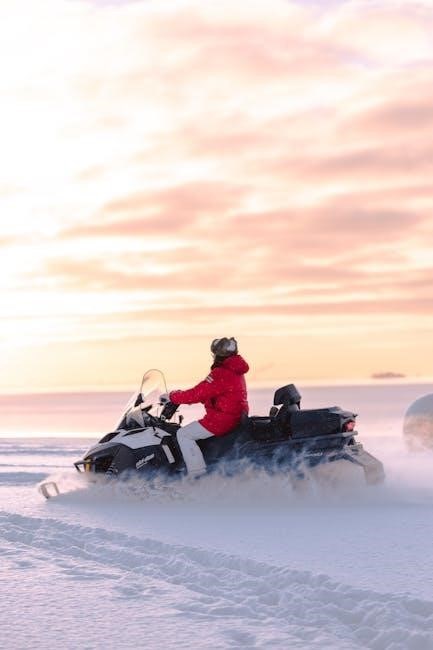
A. Engine Size and Type (2-Stroke vs. 4-Stroke)
The engine is the heart of any snowmobile, and choosing between a 2-stroke and 4-stroke engine is a fundamental decision. 2-stroke engines, historically dominant, deliver impressive power-to-weight ratios, offering quick acceleration and responsiveness – similar to prioritizing speed in accessing cloud storage, despite potential instability. However, they typically require mixing oil and fuel and produce more emissions.
4-stroke engines, increasingly popular, provide better fuel efficiency, reduced emissions, and quieter operation. They resemble a more stable, albeit potentially slower, cloud service like a well-managed NAS. Engine displacement, measured in cubic centimeters (cc), dictates overall power. Smaller engines (under 600cc) suit beginners and trail riding, while larger engines (600cc and above) cater to aggressive riders and off-trail adventures. Selecting the right engine type and size depends on your riding style, terrain, and environmental considerations.
B. Suspension Systems: Importance and Types
A snowmobile’s suspension is crucial for a comfortable and controlled ride, absorbing bumps and maintaining traction – much like a robust data synchronization system handles interruptions. It directly impacts handling, stability, and rider fatigue. Several suspension types exist, each suited to different riding conditions.
Independent Front Suspension (IFS) provides superior handling on varied terrain, allowing each ski to react independently. Double Wishbone Suspension offers precise control and stability. Rear Suspension systems vary significantly. Leaf Spring Suspension is simple and durable, ideal for utility models. Coupler-based suspensions connect the rear shocks, influencing how the snowmobile leans and carves. More advanced systems feature adjustable shocks and springs, allowing riders to fine-tune the suspension for optimal performance. Consider your typical terrain – groomed trails, deep powder, or rough backcountry – when evaluating suspension options.
C. Track Length and Width: Matching to Terrain
The snowmobile track is the primary contact point with the snow, significantly influencing performance, similar to how a reliable connection impacts data transfer speeds. Track length and width must align with your intended riding environment. Longer tracks (146”+) excel in deep powder, providing greater flotation and a smoother ride, akin to a larger storage capacity handling extensive files.
Shorter tracks (121”-137”) are more maneuverable and responsive on groomed trails, offering quicker acceleration and tighter turning. Wider tracks (15”-20”) enhance flotation in deep snow and provide increased stability, while narrower tracks (13.5”-15”) reduce weight and improve handling on hardpack. Lug height – the depth of the track’s paddles – also matters; taller lugs grip better in loose snow. Carefully consider the terrain you’ll frequent most to select the optimal track combination for your snowmobiling adventures.
D. Ski Design: Impact on Handling
Ski design profoundly affects a snowmobile’s handling characteristics, much like interface design impacts user experience. Skis dictate how the machine carves through snow and responds to rider input. Wider skis offer increased stability, particularly in deep or variable snow conditions, mirroring the stability of a robust network connection. They reduce steering effort but can feel less nimble.
Narrower skis provide quicker steering and enhanced maneuverability, ideal for tight trails and aggressive riding. Ski keel design – the central ridge on the underside – influences tracking and carving ability. A deeper keel offers more predictable handling, while a shallower keel allows for easier initiation of turns. Ski flares, the upturned edges, contribute to flotation and reduce snow buildup. Consider your riding style and typical terrain when evaluating ski designs, as they significantly impact control and enjoyment.
IV. Budget and Additional Costs
Establishing a realistic budget extends beyond the initial snowmobile purchase price. Like assessing cloud storage costs, hidden expenses can quickly accumulate. New snowmobiles offer warranties and the latest technology but command a premium. Used snowmobiles present cost savings but may require immediate repairs, mirroring the risks of relying on unsupported software.
Essential gear – helmet, suit, boots, and gloves – represents a significant investment, prioritizing safety and comfort. Maintenance costs, including oil changes, parts replacements, and potential repairs, should be factored in. Unexpected issues, like service disruptions, can strain finances. Registration and insurance are mandatory expenses varying by location. Finally, consider storage and transportation costs; a trailer and suitable storage space add to the overall financial commitment. Thorough budgeting ensures a worry-free snowmobiling experience.
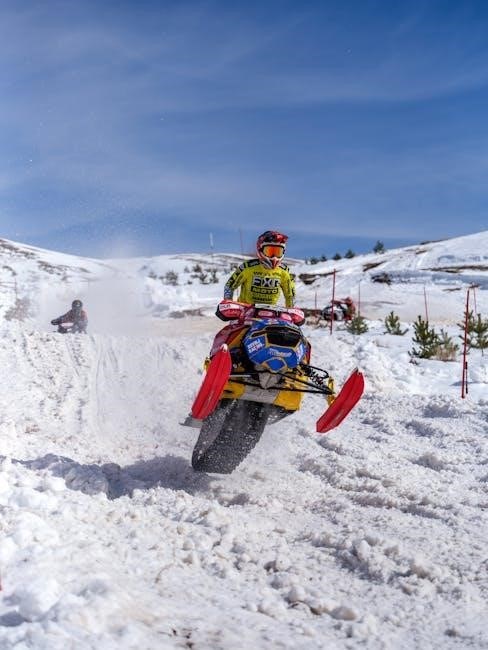
A. New vs. Used Snowmobiles: Pros and Cons
Choosing between a new and used snowmobile presents distinct advantages and disadvantages. New snowmobiles boast the latest technology, full manufacturer warranties, and pristine condition, offering peace of mind. However, they come with a higher price tag and immediate depreciation. It’s akin to purchasing new software versus relying on older, potentially unsupported versions.
Used snowmobiles offer significant cost savings, allowing you to acquire a higher-spec model within a tighter budget. However, they may require immediate repairs or maintenance, and their history might be uncertain. Thorough inspection is crucial, similar to verifying the reliability of a used digital service. Consider potential issues like wear and tear, outdated components, and limited warranty coverage. A pre-purchase inspection by a qualified mechanic is highly recommended to avoid unexpected expenses and ensure a reliable ride.
B. Essential Gear: Helmet, Suit, Boots, Gloves
Prioritizing safety is paramount when snowmobiling, and essential gear is a non-negotiable investment. A DOT-approved helmet is the most crucial item, protecting against head injuries. Consider features like integrated visors and ventilation. A snowmobile suit provides insulation and weather protection, crucial for enduring harsh conditions. Look for waterproof and breathable materials.
Insulated, waterproof boots are vital for maintaining warmth and preventing frostbite. Proper footwear ensures secure footing and control. Gloves or mittens, also insulated and waterproof, protect your hands from the cold and provide a firm grip. Don’t overlook accessories like goggles, balaclavas, and neck warmers for added protection against wind and snow. Investing in quality gear is akin to securing reliable data storage – it safeguards your well-being and enhances your overall experience.
C. Maintenance Costs: Oil, Parts, and Repairs
Beyond the initial purchase price, ongoing maintenance represents a significant cost of snowmobile ownership; Regular oil changes are critical, with 2-stroke engines requiring more frequent attention than 4-stroke models. Expect to budget for oil, filters, and potentially coolant. Wear and tear on parts – skis, tracks, carbides, and belts – will necessitate replacements over time. These costs can accumulate quickly, especially with aggressive riding.
Repairs, ranging from minor adjustments to major engine work, are inevitable. Consider the potential for unexpected breakdowns and the associated labor costs. Similar to addressing storage limitations with solutions like NAS devices, proactive maintenance can prevent larger, more expensive issues; Establishing a relationship with a reputable snowmobile mechanic is advisable. Budgeting approximately 10-15% of the snowmobile’s value annually for maintenance is a prudent approach, ensuring continued enjoyment and reliability.
D. Registration and Insurance Requirements
Before hitting the trails, understanding registration and insurance requirements is crucial. Regulations vary significantly by state or province, so thorough research is essential. Most jurisdictions mandate snowmobile registration, involving fees and potentially safety inspections. Registration ensures legal operation and often contributes to trail maintenance funding, mirroring the costs associated with cloud storage solutions.
Snowmobile insurance is often legally required, or strongly recommended, to protect against liability and damage. Policies can cover property damage, bodily injury, and even theft. Consider the coverage limits and deductibles carefully. Like addressing potential data loss with backups, insurance provides financial security in unforeseen circumstances. Failure to comply with registration and insurance laws can result in fines or legal penalties. Always verify the specific requirements for the areas where you plan to ride, ensuring a worry-free snowmobiling experience.
V. Important Considerations Before Buying
Beyond the core features, several factors significantly impact your snowmobiling experience. Snowmobile weight and dimensions affect handling and maneuverability, particularly in tight spaces or deep powder. Electric start offers convenience, especially in cold weather, while pull start requires more physical effort. A reverse function is incredibly useful for backing out of tricky situations, enhancing safety and control.
Think about storage and transportation. Do you have a suitable garage or shed? Will you need a trailer? Consider resale value – certain models and brands hold their value better than others. Like evaluating long-term costs for digital services, anticipate future needs. Assess your technical skills; some snowmobiles require more maintenance than others. Finally, thoroughly inspect any used snowmobile before purchasing, checking for wear and tear, and verifying its service history. A pre-purchase inspection by a qualified mechanic is highly recommended.
A. Snowmobile Weight and Dimensions
A snowmobile’s weight and dimensions are crucial factors influencing handling and overall riding experience. Heavier snowmobiles offer greater stability, particularly at higher speeds and in challenging terrain, but can be more difficult to maneuver in tight spaces. Lighter models are more agile and responsive, ideal for playful riding and navigating wooded trails. Consider your physical strength and riding style.
Dimensions, including length, width, and stance, also play a vital role. Longer snowmobiles generally provide a smoother ride and better flotation in deep snow, while shorter models are more nimble. Wider snowmobiles offer increased stability, but can be less maneuverable. Stance width affects cornering ability and sidehill performance. Like choosing the right storage capacity, matching weight and dimensions to your intended use is essential. A well-balanced snowmobile enhances control and reduces rider fatigue, leading to a more enjoyable and safer experience.
B. Electric Start vs. Pull Start
The choice between electric start and pull start significantly impacts convenience and reliability, mirroring the accessibility issues sometimes encountered with online services. Electric start offers effortless ignition, especially in cold weather, a boon for riders who value ease of use. However, it relies on a functional battery, which can be susceptible to failure and requires maintenance or replacement. Consider the potential for service disruptions.
Pull start, while requiring more physical effort, is a dependable backup system and eliminates battery-related concerns. It’s a simpler mechanism, less prone to malfunction, and ideal for riders who prefer a more traditional experience or anticipate operating in remote areas without access to charging. Like choosing a robust local storage solution, pull start provides self-sufficiency. Ultimately, the best option depends on your priorities – convenience and ease of use versus reliability and independence.
C. Reverse Functionality: A Useful Feature
Reverse functionality, though not essential for all riders, dramatically enhances maneuverability, particularly in tight spaces or challenging terrain – akin to having efficient file management for extensive digital data. It allows you to back out of tricky situations without dismounting and physically repositioning the snowmobile, saving time and effort. This feature proves invaluable when navigating wooded trails, steep slopes, or congested areas.
However, reverse gear typically operates at a slower speed and may not be suitable for extended distances. Some models offer a limited reverse duration to prevent overheating. Consider your typical riding environment and whether the added convenience outweighs the potential limitations. Like assessing storage needs, evaluate if the benefit justifies the cost and complexity. For beginners or those frequently riding in confined spaces, reverse is a highly recommended feature, offering increased control and confidence.
D. Storage and Transportation Options
Proper storage is crucial for maintaining your snowmobile’s condition and longevity, much like safeguarding digital files from corruption. A dedicated, dry space – a garage, shed, or covered carport – is ideal, protecting it from the elements. Consider a snowmobile cover to shield against dust, moisture, and UV rays. Transportation requires a suitable trailer, sized appropriately for your snowmobile’s dimensions and weight. Ensure the trailer is equipped with secure tie-down points.
Alternatively, some riders utilize snowmobile dollies for easier maneuvering within their storage space. Before transport, disconnect the battery and drain the fuel system to prevent potential issues. Regularly inspect the trailer’s tires, lights, and bearings for safe towing. Just as cloud storage requires reliable access, convenient storage and transport are vital for maximizing your snowmobiling enjoyment. Plan ahead to ensure a hassle-free experience.
E. Resale Value: Considering Future Needs
When investing in a snowmobile, contemplating its future resale value is a prudent financial decision, akin to assessing the long-term viability of a digital storage solution. Certain brands and models consistently hold their value better than others, influenced by reliability, popularity, and condition. Well-maintained snowmobiles with lower mileage generally command higher resale prices. Documenting all maintenance records meticulously is essential, demonstrating responsible ownership.

Popular models, like those suited for versatile trail riding, often experience stronger demand in the used market. Consider your potential future needs; if your riding style might evolve, choosing a model with broader appeal could be advantageous. Avoid excessive customization that might limit the potential buyer pool. Just as data migration can be complex, a well-planned purchase considers eventual resale, maximizing your return on investment and minimizing future complications.