First Alert Smoke & CO Detector Manual: A Comprehensive Guide
This manual details installation, operation, and maintenance for First Alert smoke and carbon monoxide detectors, including models like 7010B, SC9120B, and PRC710, ensuring safety.
Understanding First Alert Detectors
First Alert detectors are crucial for home safety, offering protection against the dangers of smoke and carbon monoxide. These devices range from basic, battery-powered models like the 7010B to advanced, interconnected alarms such as the SCO500. Combination alarms, like the SC9120B, provide dual-sensor protection.
Understanding the specific features of your model – whether it’s a plug-in CO detector (CO600) or a Z-Wave enabled device (FSMCO410BX) – is vital for proper use and maximizing its protective capabilities. Regular testing and maintenance, as outlined in this manual, are essential.
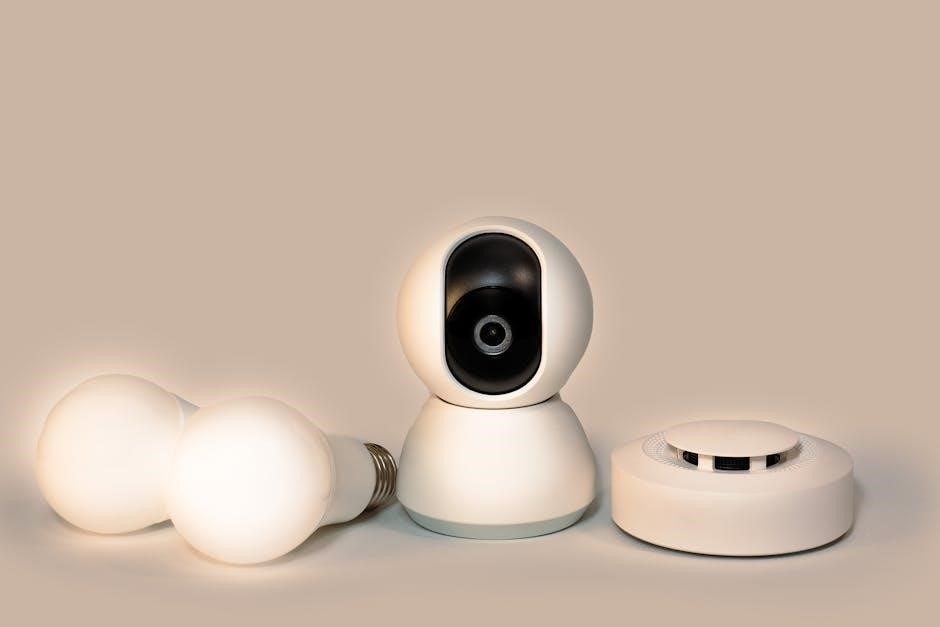
Popular First Alert Models
First Alert offers a diverse range of detectors to suit various needs. The First Alert 7010B is a widely used, battery-operated smoke detector known for its reliability. The SC9120B combines smoke and carbon monoxide detection in a hardwired unit. For convenience, the PRC710 features a 10-year sealed battery, eliminating battery replacements.
Other popular choices include the plug-in CO detector CO600 and the CO615 with a digital display. The SCO500 provides wireless interconnection, while the Z-Wave FSMCO410BX integrates with smart home systems.
First Alert 7010B Smoke Detector
The First Alert 7010B is a battery-operated smoke detector, a conventional model providing essential fire protection. It’s known for its straightforward installation and dependable performance. This detector utilizes ionization sensing technology to detect fast-flaming fires. Regular testing is crucial to ensure functionality; press the test button to verify the alarm sounds.
It requires a 9-volt battery (not included) and is suitable for various locations within the home, excluding kitchens and bathrooms due to potential false alarms.
First Alert SC9120B Combination Alarm
The First Alert SC9120B is a hardwired combination smoke and carbon monoxide alarm, offering dual protection. It features AC power with battery backup for continued operation during power outages. This model alerts to both fast-flaming and smoldering fires, alongside the presence of dangerous carbon monoxide levels.
It includes a test button for regular checks and an 85-decibel siren. Proper hardwired installation is essential, and it’s crucial to follow all electrical safety guidelines during setup.
First Alert PRC710 10-Year Sealed Battery Combo Alarm
The First Alert PRC710 is a 10-year sealed battery combination photoelectric smoke and carbon monoxide alarm, eliminating battery replacements for a decade. This model meets code requirements for tamperproof alarms, offering reliable protection. Its photoelectric sensor is effective at detecting slow-smoldering fires, while also monitoring for CO.
Featuring a single test/silence button, it provides easy operation and a 85-decibel alarm. Installation is straightforward, and the sealed battery ensures continuous functionality throughout its lifespan.
Key Features Across Models
First Alert detectors consistently prioritize life safety with several core features. These include loud 85-decibel alarms for clear notification, and user-friendly test/silence buttons for operational checks and nuisance alarm control. Many models offer both smoke and carbon monoxide detection, providing comprehensive protection.
Wireless interconnection capabilities, like those in the SCO500, allow alarms to communicate, alerting the entire home. A standard 7-year warranty underscores First Alert’s commitment to product reliability and customer peace of mind.
Smoke Detection Technology (Photoelectric vs. Ionization)
First Alert utilizes two primary smoke detection technologies: photoelectric and ionization. Photoelectric sensors are more effective at detecting slow, smoldering fires, common in residential settings, by sensing scattered light. Ionization sensors, conversely, excel at detecting fast-flaming fires with smaller smoke particles.
The PRC710 model employs photoelectric technology, meeting code requirements for tamperproof alarms. Choosing the right technology, or a combination, enhances overall fire safety within your home environment.
Carbon Monoxide Detection Range
First Alert CO detectors, such as the CO600 and CO615, are designed to detect dangerous levels of carbon monoxide (CO). These models continuously monitor CO concentrations, alerting users when unsafe levels are present. The CO615 features a digital display for easy CO level reading.
Proper placement is crucial; detectors should be installed near sleeping areas. Maintaining a functional detector ensures prompt notification of potential CO leaks, safeguarding against this silent and deadly threat.
Installation Procedures
Proper installation is vital for optimal performance of First Alert detectors. Options include hardwired installation, requiring electrical knowledge, and battery-powered units for simpler setup. Wireless interconnection, utilizing models like the SCO500, allows alarms to trigger simultaneously throughout the home.

Always follow included instructions carefully, ensuring secure mounting and correct wiring (if applicable). Regular testing post-installation confirms functionality, providing peace of mind and reliable protection.
Hardwired vs. Battery-Powered Installation
Hardwired detectors connect directly to your home’s electrical system, offering continuous power and often interconnectivity with other alarms; Professional installation is recommended due to electrical work involved. Battery-powered units provide flexibility, ideal for locations without existing wiring, but require regular battery checks.
Dual-power models (like CO615) combine both, offering battery backup during power outages. Always adhere to local building codes regarding placement and wiring for both installation types.
Wireless Interconnection Capabilities (SCO500)
The First Alert SCO500 utilizes wireless technology to interconnect with other compatible First Alert alarms. When one detector senses smoke or CO, all interconnected units sound an alarm, providing whole-house notification. This feature enhances safety by alerting occupants regardless of their location.
Setup is relatively simple, involving synchronization of the units. Ensure detectors are within range for reliable communication. Wireless interconnection eliminates the need for wiring between devices, simplifying installation.
Alarm Operation & Indicators
First Alert detectors employ distinct alarm sounds for smoke and carbon monoxide, crucial for immediate response. Smoke alarms typically feature a loud, piercing beep, while CO alarms may use a different pattern – often four beeps followed by silence. LED indicators provide visual cues, flashing red for alarm and often yellow or green for normal operation.
Understanding these signals is vital. A chirping sound usually indicates a low battery or detector malfunction. Refer to the specific model’s manual for detailed indicator meanings and appropriate actions.
Understanding Alarm Sounds & LED Indicators
Distinct alarm patterns differentiate smoke and carbon monoxide alerts. Smoke alarms generally emit a loud, continuous beeping, while CO alarms often use four beeps followed by silence, repeating the cycle. LEDs flash red during an alarm, providing a visual warning, especially important for those with hearing impairments.
A yellow light typically indicates normal operation, while a flashing amber light may signal a malfunction. Chirping signifies low battery or end-of-life. Always consult your model’s manual for precise interpretations.
Testing Your First Alert Detector
Regular testing—monthly is recommended—ensures proper functionality. Press the test button; a loud, piercing alarm should sound. For combination alarms, test both smoke and CO detection features separately. If the alarm doesn’t sound, replace batteries immediately (for non-sealed models) or the entire unit if it’s a sealed battery type.
Never use open flames to test smoke alarms. Testing confirms the electronic circuitry and horn are working, but doesn’t verify sensor responsiveness to actual smoke or CO.
Maintenance & Troubleshooting
Consistent maintenance is crucial for reliable performance. Clean detectors monthly with a vacuum’s brush attachment to remove dust and debris, preventing false alarms. For non-sealed models, replace batteries at least annually, or when the low-battery warning chirps. If nuisance alarms occur, ensure proper placement and avoid steam or cooking fumes.
If issues persist, consult the manual’s troubleshooting section or contact First Alert customer service for assistance. Never disassemble or attempt repairs yourself.
Cleaning Your Smoke & CO Detector
Regular cleaning is vital for optimal functionality. Dust and debris can interfere with sensor accuracy, leading to false alarms or reduced sensitivity. Clean your First Alert detector monthly using a soft brush attachment on your vacuum cleaner. Gently vacuum the exterior casing, paying close attention to the vents.
Avoid using water, cleaning solutions, or chemicals, as these can damage the sensor. A clean detector ensures reliable protection for your home and family.
Replacing Batteries (Non-Sealed Models)
For non-sealed battery-powered models, replace batteries at least every six months, or immediately when the low-battery warning chirps. Use only the battery types specified in your detector’s manual – typically AA or 9V. Ensure correct polarity during installation.
Testing the detector after battery replacement is crucial to confirm proper operation. Discard used batteries responsibly, following local regulations. Consistent battery maintenance guarantees continuous protection.
Specific Model Features

First Alert offers diverse models with unique features. The CO600 is a plug-in carbon monoxide detector with a 7-year warranty, providing continuous monitoring. The CO615 features a digital display and battery backup for enhanced safety and information.

The PRC710 boasts a 10-year sealed battery, eliminating battery replacements. The SCO500 enables wireless interconnection, and the Z-Wave FSMCO410BX integrates with smart home systems for remote monitoring and alerts.
First Alert CO600 Plug-In CO Detector
The First Alert CO600 is a straightforward plug-in carbon monoxide detector designed for easy installation and continuous protection. Featuring an electrochemical sensor, it accurately detects dangerous CO levels. This model boasts a 7-year warranty, ensuring long-term reliability and peace of mind.
Its simple design includes a test button for regular functionality checks and a clear alarm signal when CO is detected. The CO600’s UPC is 29054000705, making it easily identifiable for replacements or additional units.
First Alert CO615 Dual-Power CO Alarm with Digital Display
The First Alert CO615 offers enhanced carbon monoxide detection with the convenience of both plug-in power and battery backup. Its key feature is a digital display, providing real-time CO concentration readings for increased awareness. Model CO615 has an EAN of 0029054000712, aiding in product identification.
A control button silences false alarms, and the unit’s dual power source ensures continuous operation even during power outages. Backed by a 7-year warranty, it delivers lasting protection and reliability.

Smart Home Integration
First Alert detectors offer seamless integration into smart home ecosystems, enhancing safety and convenience. The First Alert Z-Wave FSMCO410BX model allows remote monitoring and control via Z-Wave networks. Compatibility with the SkyCenter (RSC-11S or SC-100S) enables centralized alarm management and notifications.
This integration provides real-time alerts on smartphones or other connected devices, even when you’re away from home. Smart features allow for customized settings and automated responses, creating a more proactive safety system.
First Alert Z-Wave FSMCO410BX Integration
The First Alert Z-Wave FSMCO410BX detector seamlessly connects to Z-Wave smart home hubs, providing remote monitoring and control of smoke and carbon monoxide detection. This integration enables users to receive instant alerts on their smartphones or other connected devices when an alarm is triggered, regardless of location.
Through the Z-Wave network, users can also check the detector’s status, battery level, and sensor readings. It’s part of a broader smart home safety ecosystem, offering enhanced peace of mind and proactive hazard management.
Compatibility with SkyCenter (RSC-11S or SC-100S)
First Alert’s smart smoke detectors are designed to work seamlessly with the SkyCenter smart control center, specifically models RSC-11S and SC-100S. This compatibility allows for centralized monitoring and control of all connected First Alert devices within your home. Users can receive real-time notifications regarding alarm events, low battery warnings, and detector status updates directly through the SkyCenter interface.
The SkyCenter system enhances home safety by providing a unified platform for managing smoke and CO detection, offering increased responsiveness and peace of mind.
Safety Information & Warnings
To ensure optimal performance and prevent potential hazards, avoid installing detectors near cooking appliances to minimize false alarms caused by steam or fumes. Regularly test detectors monthly to verify functionality and battery life. Understand that detectors are not foolproof and may not provide warning in all fire or CO situations.
Proper placement is crucial; install on each level of your home and outside sleeping areas. Never disable detectors or remove batteries, as this compromises safety.
Preventing False Alarms
Minimize false alarms by avoiding detector placement near kitchens, bathrooms, or garages where fumes, steam, or exhaust can trigger unwanted alerts. Ensure proper ventilation in these areas. Regularly clean detectors with a vacuum to remove dust and debris that can interfere with sensors.
Avoid aerosol sprays near detectors, as they can cause temporary activation. Be mindful of cooking smoke and ensure adequate airflow during meal preparation to prevent nuisance alarms.
Alarm Limitations & Proper Placement
Smoke alarms detect particles of combustion; they are not foolproof and may not activate instantly. Carbon monoxide alarms do not detect fires. Install smoke alarms on every level of your home, inside and outside bedrooms. Place CO alarms near sleeping areas and fuel-burning appliances.
Avoid obstructed areas and ensure detectors are mounted according to manufacturer instructions. Test alarms monthly and understand their limitations for optimal safety.
Warranty Information
First Alert offers a standard 7-year warranty on most of its smoke and carbon monoxide detectors, covering defects in materials and workmanship from the date of purchase. This warranty does not cover damage from misuse, abuse, or battery leakage. Proof of purchase is required for all warranty claims.

Contact First Alert Customer Service to initiate a claim. Warranty is void if the unit has been tampered with or disassembled. Specific model warranties may vary; see product packaging.
Standard 7-Year Warranty
First Alert provides a 7-year limited warranty against defects in materials and workmanship for most detectors, beginning from the original purchase date. This covers functional failures during normal use, not damage caused by accidents, misuse, or improper installation. Keep your receipt as proof of purchase for any warranty claim.
The warranty is non-transferable and only applies to the original purchaser. Contact First Alert Customer Service for assistance with warranty claims and return authorization.
Understanding Error Codes
First Alert detectors utilize error codes, often displayed via flashing LEDs, to indicate specific issues. These codes signal problems like sensor failure, low battery (even in 10-year sealed models indicating end-of-life), or internal malfunctions. Consult the specific model’s manual to decipher the meaning of each code.
Common codes include flashes indicating a low battery or alarm failure. Addressing these codes promptly is crucial for maintaining reliable protection. Ignoring error codes can compromise the detector’s functionality.

Disposal & Recycling
Proper disposal of First Alert smoke and CO detectors is essential due to the electronic components and potentially hazardous materials they contain. Do not simply discard detectors with household waste. Check with your local waste management authorities for specific e-waste recycling programs.
Some municipalities offer designated drop-off locations or collection events. Removing batteries before disposal is also recommended. Recycling helps conserve resources and prevents harmful substances from entering landfills, promoting environmental responsibility.
Where to Find Additional Support
For comprehensive assistance with your First Alert detector, several resources are readily available. Contact First Alert Customer Service directly for personalized support and troubleshooting. Explore the extensive online resources including frequently asked questions (FAQs) and detailed product manuals on their official website.
These online platforms offer valuable information regarding installation, operation, and maintenance. Utilizing these support channels ensures you can effectively address any concerns and maintain optimal detector performance for continued safety.

First Alert Customer Service Contact Information
To reach First Alert’s dedicated customer support team, visit their official website for a comprehensive list of contact options. While a direct phone number isn’t prominently displayed, the website provides a contact form for submitting inquiries. Expect a response within 24-48 business hours via email.
For quicker assistance, utilize the online resources and FAQs. First Alert prioritizes online support to efficiently address common questions and concerns, ensuring prompt and helpful assistance for all customers.
Online Resources & FAQs
First Alert’s website hosts a robust library of online resources, including detailed product manuals in PDF format, like the 7010B model’s guide. A comprehensive FAQ section addresses common issues, troubleshooting steps, and installation queries. Users can find information on alarm sounds, battery replacement, and error code interpretations.
These resources aim to empower users with self-service solutions, reducing the need for direct customer support. Explore the site for safety tips, detector placement guidance, and warranty details, ensuring optimal device performance.