Overview of Free Pharmacology PDF Guides
Free pharmacology PDFs offer comprehensive, up‑to‑date chapters, interactive quizzes, and downloadable drug charts. Students find open‑access guides useful for NCLEX prep, undergraduate coursework, and continuing education, all without cost or subscription barriers. They also include case studies and lists!!!
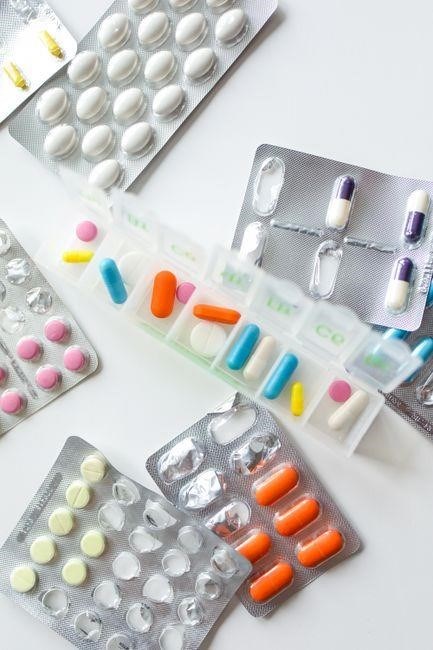
Popular Free Repositories
Students and educators routinely turn to a handful of well‑maintained, open‑access platforms to locate high‑quality pharmacology study guides. The most frequently cited sources include OpenStax, which offers a peer‑reviewed, continuously updated textbook that can be downloaded as a PDF or printed in full. PubMed Central hosts a growing collection of pharmacology reviews and original research articles that can be compiled into a custom guide. The National Institutes of Health’s MedlinePlus and the U.S. National Library of Medicine provide downloadable drug monographs and drug‑interaction tables that supplement any free guide. Many universities, such as the University of Michigan and the University of Texas, maintain institutional repositories where faculty upload lecture notes, case studies, and full‑length guides in PDF format. Finally, the Open Science Framework and GitHub allow researchers to share annotated PDFs and interactive notebooks, enabling students to explore pharmacodynamics and pharmacokinetics through live code. These repositories collectively provide a robust, no‑cost foundation for building a comprehensive, up‑to‑date pharmacology resource.
Beyond the basic guides, many repositories offer interactive modules, downloadable case studies, and up‑to‑date drug monographs. Students can also find annotated PDFs that integrate pharmacodynamic graphs, dosage calculators, and evidence‑based practice guidelines. These resources empower learners to apply theory to clinical scenarios, enhancing retention and analysis skills.
Core Content Topics Covered
Free PDFs cover drug classification charts, pharmacodynamics, pharmacokinetics, clinical trial phases, FDA guidelines, and evidence‑based dosing. They feature case studies, dosage calculators, and mnemonic tools for quick recall. Add interactive quizzes and mnemonic aids!!
Drug Classification Charts
Free pharmacology PDFs frequently include detailed drug classification charts that organize medications by therapeutic class, mechanism of action, and clinical use. These charts provide quick reference tables for nursing students, pharmacy undergraduates, and practicing clinicians, helping them memorize drug families such as antihypertensives, antidiabetics, antibiotics, CNS agents, and anti‑inflammatories. Many resources offer downloadable PDF versions that can be printed or annotated, and some include color‑coded sections to emphasize pharmacodynamic relationships. For example, a typical chart lists beta‑blockers, ACE inhibitors, and calcium channel blockers under cardiovascular agents, each with sub‑categories for first‑line, second‑line, and combination therapies. Similarly, the antimicrobial section groups penicillins, cephalosporins, macrolides, and fluoroquinolones, highlighting spectrum, resistance patterns, and dosing adjustments for renal impairment. These charts often come with mnemonic aids such as “BRAIN” for beta‑blockers or “CAMP” for calcium channel blockers, designed to reinforce memory during exam preparation. Additionally, many free guides provide interactive PDFs that allow users to click on a drug name to reveal side‑effect profiles, contraindications, and drug‑drug interaction alerts. The inclusion of such dynamic features transforms static tables into learning tools that adapt to the user’s study pace. Overall, drug classification charts in free PDFs serve as essential study aids, condensing vast pharmacologic data into accessible, visually organized formats that support both foundational learning and advanced clinical decision‑making. These charts are regularly updated to reflect new drug approvals and guideline changes, ensuring learners have the most current information at their fingertips. Use them daily for best results and keep your knowledge sharp.
Pharmacodynamics & Pharmacokinetics Basics

Free pharmacology PDFs provide concise explanations of core pharmacodynamic principles, such as dose–response relationships, receptor theory, and the concepts of agonists, antagonists, partial agonists, and inverse agonists. They also cover pharmacokinetic fundamentals—absorption, distribution, metabolism, and excretion (ADME)—with clear diagrams illustrating first‑pass metabolism, bioavailability, volume of distribution, clearance, and half‑life calculations. Many guides include interactive tables that allow students to adjust variables like dose and frequency to see how plasma concentration curves change, reinforcing the link between theory and clinical practice. For instance, a typical free PDF will present a step‑by‑step example of calculating the steady‑state concentration (Css) using the formula Css = (F × D)/(Cl × τ), where F is bioavailability, D is dose, Cl is clearance, and τ is dosing interval. They also explain the significance of therapeutic drug monitoring and how to interpret trough and peak levels. In addition, free resources often feature mnemonic devices to remember key pharmacokinetic equations, such as “FDC” for first‑dose clearance, and visual aids that map drug half‑life to dosing schedules (e.g., once daily, twice daily, or every 8 hours). These PDFs emphasize the clinical relevance of pharmacodynamic endpoints like maximum effect (Emax), potency (EC50), and efficacy, and they provide case studies illustrating dose adjustments in special populations such as the elderly, patients with hepatic or renal impairment, and those on drug–drug interaction risk. The combination of textual explanations, graphical representations, and practice problems makes free pharmacology PDFs an invaluable tool for mastering the essential concepts that underpin safe and effective medication therapy. Use these resources to build a solid foundation before tackling more advanced topics in drug development and therapeutic guidelines. Students can also download the PDF and annotate directly, marking key points and creating flashcards for quick review. The free PDFs often include a glossary of pharmacology terms, ensuring that even novices can understand complex terminology. By integrating these resources into daily study routines, learners develop a robust mental framework that supports clinical decision making and exam success. Remember to cross‑check with current guidelines for the latest drug updates. Additionally, many free PDFs provide downloadable worksheets that allow students to practice dose calculations and interpret lab values, further reinforcing learning.
Clinical Research Phases & FDA Guidelines

Free pharmacology PDFs outline the four classic phases of clinical trials—Phase I (safety and dosage in healthy volunteers), Phase II (efficacy and side‑effect profiling in patients), Phase III (large‑scale randomized controlled trials to confirm benefit and monitor adverse events), and Phase IV (post‑marketing surveillance). They also detail the FDA’s regulatory framework, including the Investigational New Drug (IND) application, New Drug Application (NDA) submission, and the role of Institutional Review Boards (IRBs). Many guides present a step‑by‑step timeline: pre‑IND meetings, IND filing, Phase I enrollment, interim analyses, Phase II expansion, Phase III multicenter coordination, and finally NDA review with the FDA’s advisory committee. The PDFs emphasize key FDA milestones such as the “Fast Track,” “Breakthrough Therapy,” and “Accelerated Approval” designations that can shorten development timelines. They also explain the importance of Good Clinical Practice (GCP) standards, informed consent documentation, and adverse event reporting requirements. Practical examples illustrate how a drug candidate moves from preclinical data to a Phase I protocol, including dose‑escalation schemes and pharmacokinetic sampling schedules. The free resources frequently include sample consent forms, a checklist of FDA submission documents (clinical study reports, chemistry, manufacturing, and controls—CMC sections), and a glossary of regulatory terms. By integrating these materials, students can map the regulatory pathway and understand the ethical and scientific safeguards that protect patients during drug development. The PDFs also feature case studies of recent FDA approvals, highlighting how clinical data, safety monitoring, and risk‑benefit analysis influenced the final decision. This comprehensive overview equips learners to navigate the complex landscape of clinical research and regulatory compliance, ensuring they are prepared for both academic examinations and real‑world research roles. Study diligently. !!

Targeted User Groups
Free pharmacology PDFs cater to pharmacy undergrads, nursing students prepping for NCLEX, and practicing clinicians seeking CME. They provide drug charts, practice quizzes, and tables to aid retention.!!! Ideal review, these guides integrate flashcards and mnemonic tools, ensuring so recall.
Pharmacy Undergraduates
Free pharmacology PDFs are indispensable for pharmacy undergraduates, offering a structured, evidence‑based curriculum that aligns with the 2019‑2020 third‑year study guide’s objectives. These resources emphasize a rational, scientific approach to therapeutic agent use, encouraging critical thinking and up‑to‑date research integration. Students can access comprehensive drug classification charts, pharmacodynamics and pharmacokinetics fundamentals, and FDA‑approved clinical trial phases—all in downloadable PDF format. Interactive quizzes and practice tests embedded within the guides reinforce learning, while mnemonic tools and memory aids simplify complex drug mechanisms. The open‑access nature of these PDFs eliminates cost barriers, allowing students to review lecture material, complete assignments, and prepare for licensure exams without additional financial burden. By integrating case studies, dosage calculations, and current treatment guidelines, the guides provide a holistic learning experience that prepares pharmacy undergraduates for clinical practice and lifelong learning. Students also benefit from peer‑reviewed annotations and downloadable flashcards, enhancing retention and exam readiness. Moreover, the guides are regularly updated to reflect new drug approvals, emerging therapies, and changes in regulatory guidelines, ensuring learners stay current with the evolving pharmaceutical landscape. Finally, many PDFs include hyperlinks to external databases and scholarly articles, allowing students to explore deeper insights beyond the core material. Stay sharp
Nursing Students (NCLEX Prep)

Free pharmacology PDFs designed for nursing students focus on the core concepts that NCLEX examiners prioritize. The guides present drug classification charts that group medications by therapeutic class—such as antihypertensives, anticoagulants, and antiepileptics—making it easier to recall mechanisms and side‑effect profiles. Pharmacodynamics and pharmacokinetics sections are condensed into bullet‑point summaries, highlighting key points like receptor interactions, half‑life calculations, and drug‑drug interactions that frequently appear on the exam.
Interactive quizzes embedded within the PDFs allow students to test their knowledge immediately, while practice questions mirror the format and difficulty of NCLEX items. Mnemonic devices such as “SAD” (Sedatives, Antidepressants, Diuretics) and “GOLD” (Glycemic control, Opiates, Lipid‑lowering, Dexamethasone) are woven throughout the text to aid memory retention. Case studies illustrate real‑world scenarios—like managing a patient with chronic heart failure on ACE inhibitors—demonstrating how to apply pharmacological principles to clinical decision‑making.
Each guide references current FDA guidelines and outlines the phases of clinical research, helping students understand the regulatory context of drug approval. Downloadable flashcards and quick‑reference sheets are included for rapid review during study breaks. Because the PDFs are freely available, students can access them without purchasing expensive textbooks, ensuring that cost does not impede learning. By integrating evidence‑based practice, up‑to‑date drug information, and exam‑ready tools, these resources empower nursing students to achieve higher NCLEX pass rates and build a solid foundation for clinical practice. Stay sharp!

Students can annotate the PDFs using built‑in tools or external apps, highlighting critical information and adding personal notes. Many guides link to supplementary resources such as the American Pharmacists Association’s drug database or the National Institutes of Health’s drug information portal, allowing deeper exploration of pharmacologic topics. The materials also encourage a study schedule that alternates between reading, self‑testing, and group discussion, fostering active learning. Regular updates ensure that new drug approvals, emerging therapies, and revised guidelines are reflected promptly, keeping the content current. By leveraging these free, comprehensive resources, nursing students can master pharmacology concepts, improve test performance, and prepare confidently for the NCLEX.

Continuing Education for Professionals
Free pharmacology PDFs serve as dynamic CME tools, offering concise updates on drug mechanisms, safety alerts, and regulatory changes. Professionals can download the latest version of the “Pharmacology Study Guide – 2026” to review new drug approvals, revised dosing guidelines, and emerging therapeutic classes. The guide includes a dedicated section on pharmacovigilance, outlining the process for reporting adverse events and interpreting post‑marketing surveillance data. Interactive case scenarios simulate real‑world prescribing decisions, enabling pharmacists, physicians, and nurse practitioners to apply evidence‑based principles to complex patient scenarios. Each case is accompanied by a reflective question that prompts critical analysis of drug choice, dosage adjustment, and monitoring parameters. The PDF also hosts a quick‑reference pocket card, summarizing drug‑class interactions, contraindications, and monitoring schedules, which can be printed or saved to a mobile device for on‑the‑go review. Continuing education credits are available by completing the embedded quizzes and submitting a brief reflection on how the new information will influence clinical practice. Because the resource is freely accessible, practitioners can integrate it into regular learning routines without incurring additional costs, ensuring that their knowledge remains current and compliant with the latest FDA guidance. Additionally, guide offers downloadable flashcards and a mobile app integration, enabling learners to review key drug interactions during clinical rotations changes.

Study Strategies with Free PDFs
Utilize free PDF guides by segmenting content into bite‑sized modules, highlighting key terms, and creating flashcards. Pair reading with embedded quizzes to reinforce recall, and schedule spaced reviews. Leverage downloadable charts for quick reference during exams. —study now
Interactive Quizzes and Practice Tests
Free pharmacology PDFs often embed interactive quizzes that mirror exam formats, allowing students to test knowledge immediately after each chapter. These quizzes typically feature multiple‑choice, true/false, and short‑answer questions, with instant feedback that explains correct and incorrect choices. Practice tests are usually downloadable as separate PDF files, enabling offline study sessions and timed assessments that simulate real licensing exams. Many repositories provide a “quiz bank” section where users can filter questions by drug class, mechanism, or clinical scenario, making targeted revision efficient. The quizzes are designed to reinforce key pharmacodynamic concepts, such as receptor binding and dose–response relationships, and pharmacokinetic principles like absorption, distribution, metabolism, and elimination. Some guides even include case‑based questions that require application of drug therapy to patient scenarios, encouraging critical thinking. Students can track progress through score summaries, which highlight strengths and gaps, guiding focused study. Additionally, many free PDFs incorporate mnemonic prompts within quiz explanations, aiding long‑term retention. For nursing students preparing for the NCLEX, practice tests often align with the exam’s content outline, covering pharmacology, pathophysiology, and patient safety. By repeatedly engaging with these interactive tools, learners build confidence, improve recall speed, and develop the analytical skills necessary for both academic success and clinical practice. The combination of instant feedback, customizable question sets, and downloadable practice exams makes free pharmacology PDFs a powerful resource for self‑directed learning. Moreover, many platforms allow users to export quiz results to CSV files for personal analytics.
Memory Aids and Mnemonics
Free pharmacology PDFs are designed to support self‑directed learning by embedding mnemonic devices that simplify complex drug information. Common techniques include acronyms such as “SAD” for sedative‑antipsychotic‑diuretic classes, rhyming phrases, and vivid imagery that links drug names to familiar objects or scenarios. Color‑coded tables assign each drug class a distinct hue, reinforcing recall during rapid review. Flashcard‑style sections let learners flip between a drug’s name and key attributes—therapeutic use, contraindications, and pharmacokinetic parameters—providing instant feedback. Many guides also feature interactive mind‑maps that expand sub‑branches detailing drug interactions or dosage adjustments. For nursing students preparing for the NCLEX, mnemonic cues are tailored to high‑yield content, such as “ABC” for anticholinergic side effects or “PQRST” for pain‑related drug indications. The guides encourage repetition by offering printable worksheets where students can write and test their own mnemonics, fostering active engagement.
Many free resources incorporate spaced‑repetition algorithms that flag challenging facts for later review, ensuring long‑term retention. Visual mnemonic grids, such as the “4‑pillars” diagram for cardiovascular drugs, illustrate relationships between drug class, mechanism, clinical use, and adverse effects, making retrieval easier during exams. Audio narration of mnemonics is sometimes included, catering to learners, while printable matching sheets let students physically drag and drop drug names onto their corresponding actions or side‑effect categories. QR codes link to short video clips demonstrating pronunciation or receptor pathways, providing reinforcement. By integrating these diverse mnemonic tools—acronyms, color coding, flashcards, spaced repetition, visual grids, audio cues, and matching—free pharmacology PDFs create a comprehensive memory system that adapts to individual learning styles and accelerates mastery of essential pharmacotherapeutic concepts.